
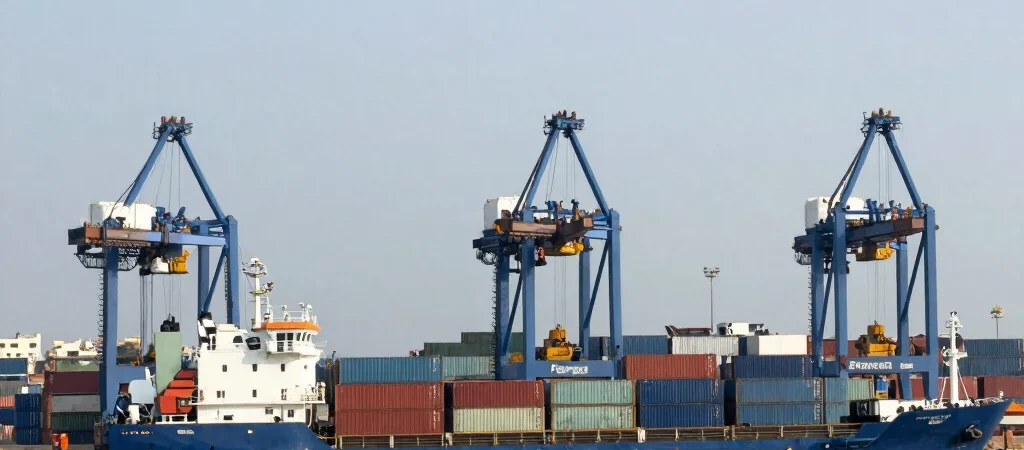
A cargo ship at a berth is only one visible part of a much larger system. In Odisha, coverage of Paradip Port makes more sense when readers also consider the rail and road connections that move goods between the coast and inland regions. The port is a point in a network, not the whole story.
Follow the journey inland
Paradip sits on Odisha’s coast and serves as a seaport for cargo moving through the region. What happens beyond the harbor—loading, storage, rail movement, and road transport—helps explain why a port update can matter to businesses and communities far from the shoreline. Those connections also mean that infrastructure changes should be understood as part of a wider logistics chain.
When reading a report about port activity, look for the cargo or project being discussed, the transport links involved, and the places expected to be affected. A statement about capacity is not the same as a report on goods actually moving through the system. Keeping those distinctions clear helps readers separate plans, facilities, and outcomes.
Separate local impact from scale
Port development can bring construction and transport activity, but its effects are not identical for every nearby community or industry. A useful story should identify the specific change and explain who may be affected, rather than treating a large project as proof of broad economic gains. It should also distinguish confirmed details from projections.
For Odisha readers, the strongest port coverage connects coastal infrastructure to the state’s inland districts and to trade across India. When a headline mentions a new facility or expansion, ask what it changes in the route from origin to destination. That question keeps the focus on how trade works, not just on the scale of the announcement.