
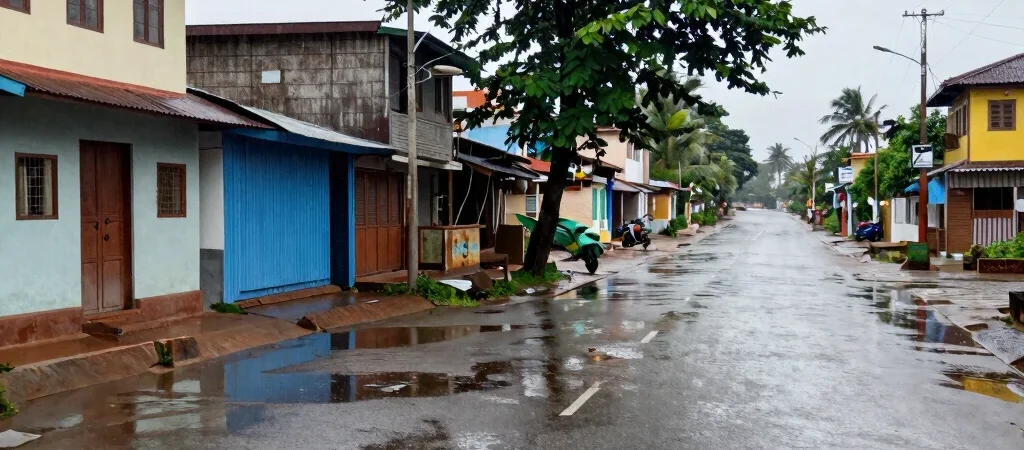
A rain alert for coastal Odisha does not automatically describe conditions in western districts, and a forecast issued in the morning may be updated later. For readers following monsoon coverage, the useful details are the area named, the time period, and the expected impact—not just the color of an alert.
Start with place and timing
Check whether a forecast refers to the whole state, a set of districts, or a specific stretch of coast. Then look for its valid period: rainfall expected over the next few hours is different from a multi-day outlook. Official India Meteorological Department bulletins provide the forecast and warning context; later bulletins can revise the picture.
Odisha’s coast, river basins, and inland districts can face different conditions from the same weather system. A district-level warning is therefore more useful for local decisions than a broad headline alone. If you are traveling, also check updates for the route and destination rather than relying on the forecast for your starting point.
Read the warning as guidance
Color-coded warnings communicate levels of concern, but they are not a guarantee that every neighborhood will experience identical weather. Rainfall can vary over short distances, while river levels and drainage conditions add local factors that a rainfall forecast cannot fully capture. Follow instructions from local authorities when they issue them.
When a story reports a changing forecast, note when the information was issued and which districts it names. That simple habit makes updates easier to compare and keeps a broad alert from sounding more precise than it is. For monsoon news, location and validity period belong in the headline-level facts.